
Routine gut biopsies could predict the risk of developing dementia and related neurodegenerative conditions years before neurological symptoms appear, research from the University of Aberdeen has shown for the first time.
NHS Grampian Charity is proud to have funded this study, along with TargetALS and LifeArc, which could pave the way for early diagnosis and prevention of neurodegenerative conditions such as Alzheimer’s disease, Parkinson’s disease and motor neurone disease (MND). These conditions affect more than 57million people worldwide, and this is expected to grow to 153 million people by 2050.
Scientists and clinicians from the University of Aberdeen, NHS Grampian and NHS Highland found that abnormal misfolded proteins – proteins that have failed to achieve their correct shape – linked to neurodegenerative diseases can be detected in gastrointestinal tissues years before neurological symptoms begin. The research suggests that the gut may provide a practical and accessible site for identifying people at risk of neurodegenerative conditions, up to seven years before clinical symptoms appear.
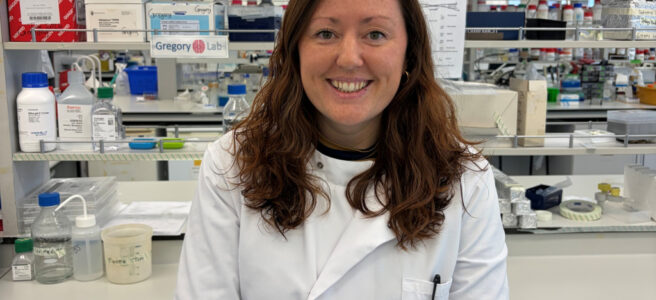
Jenna Gregory, Clinical Professor of Pathology at the University of Aberdeen, said, “We are seeing clear evidence that the same pathological protein changes that occur in several neurodegenerative diseases can occur in the gut many years earlier than we previously recognised. This opens up entirely new possibilities for early detection and intervention.”
Lisa Duthie, NHS Grampian Charity Lead, said, “The incredible work carried out by the teams at the University of Aberdeen, NHS Grampian and NHS Highland as part of this study offers huge potential for earlier screening and treatment of neurodegenerative diseases.
“These diseases can have a devastating impact, not just on the patients themselves, but on their families and friends too. With incidences of neurodegenerative disease increasing, research like this which shines the spotlight on early diagnosis and intervention is becoming even more important.”
You can read the full story on the University of Aberdeen website.